
Online scams are becoming more common and more dangerous every year. In 2026, scammers are using smarter tricks, fake websites, cloned social media accounts, and even artificial intelligence to steal money and personal information from innocent people.
Many victims lose their savings simply because they trusted the wrong message, clicked the wrong link, or answered the wrong phone call. The worst part is that anyone can be targeted — students, workers, business owners, and even tech-savvy users.
The good news is that most scams follow clear patterns. If you know what to look out for, you can protect yourself and your family. In this guide, you’ll learn the most common online scams in 2026 and simple ways to avoid falling victim to them.
Fake Job and Recruitment Scams
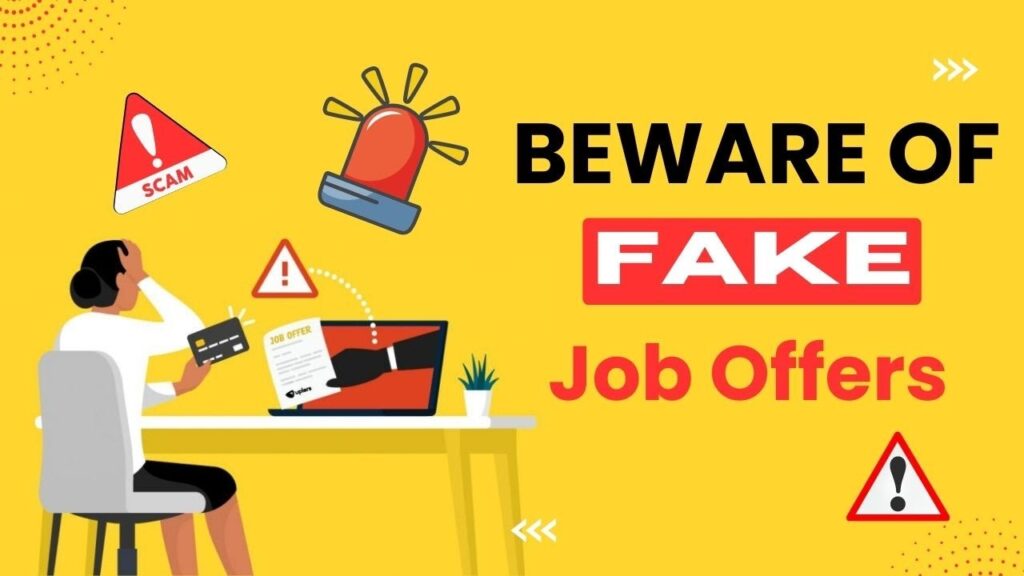
One of the fastest-growing scams in 2026 is fake online jobs.
Scammers post attractive job offers on social media, WhatsApp groups, and even job websites. They promise high pay for simple tasks like liking videos, typing, or reviewing products.
After you show interest, they ask for:
- Registration fees
- Training fees
- Payment to “unlock tasks”
Once you pay, they disappear or keep asking for more money.
How to avoid this scam
- Real employers do not ask for money to hire you
- Research the company online before applying
- Avoid jobs that promise big money for very little work
- Never send ID documents to unknown recruiters
Phishing Emails and Fake Websites
Phishing scams are designed to steal your login details, bank information, or personal data.
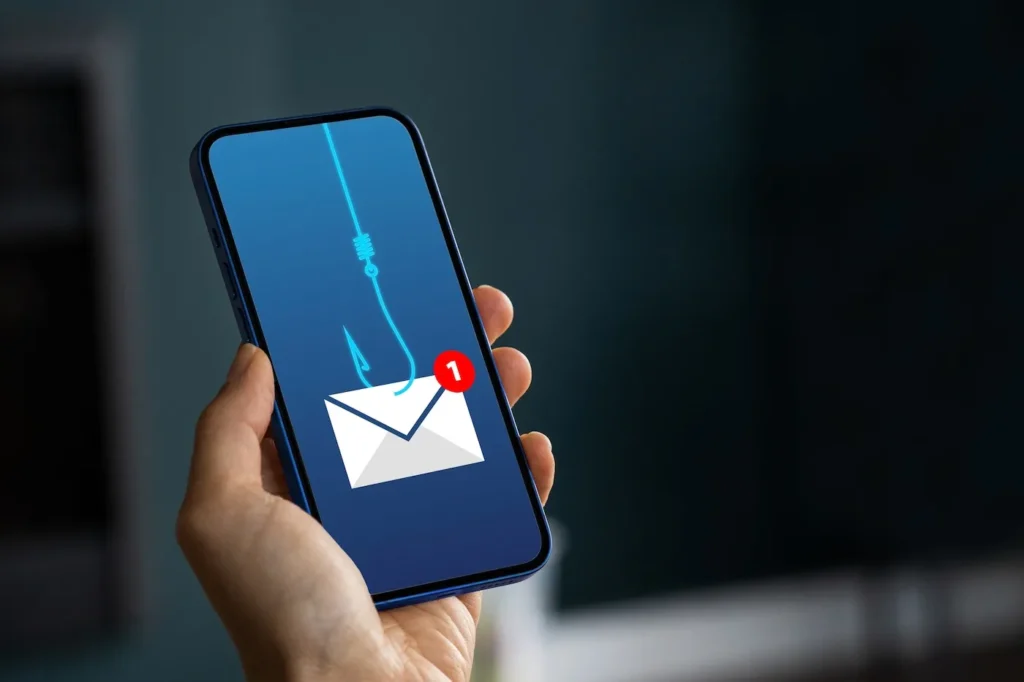
You may receive emails or messages that look like they are from:
- Banks
- Online shops
They usually say things like:
- “Your account is at risk”
- “Verify your account now”
- “Unusual login detected”
When you click the link, it takes you to a fake website that looks real and asks you to log in. Once you do, scammers steal your details.
How to avoid this scam
- Never click links from unknown messages
- Check website URLs carefully for spelling mistakes
- Log into accounts by typing the official website yourself
- Enable two-factor authentication on all accounts
WhatsApp and Social Media Impersonation Scams
Scammers clone social media profiles and pretend to be someone you know.
They may message you pretending to be:
- A friend
- A family member
- A business owner
They usually say:
- They are in trouble
- They need urgent money
- Their account was hacked
Many people send money without confirming.
How to avoid this scam
- Call the person directly to confirm
- Be suspicious of urgent money requests
- Don’t trust profile pictures alone
- Set privacy settings on your social accounts
Online Shopping and Fake Giveaway Scams
Fake online stores and giveaways are very common in 2026.
Scammers advertise:
- Very cheap phones
- Free gifts
- Big discounts
Once you pay, the product never arrives or you receive something fake.
Some giveaway scams ask for:
- Shipping fees
- Registration fees
Then they disappear.
How to avoid this scam
- Shop only on trusted websites
- Check online reviews before buying
- Avoid deals that sound too good to be true
- Never pay fees to receive a “free” gift
Cryptocurrency and Investment Scams
Investment scams now use social media influencers, fake trading platforms, and messaging apps.
They promise:
- Guaranteed profits
- Fast returns
- No risk investments
Some even show fake profit screenshots to convince victims.
Once you invest, you cannot withdraw your money.
How to avoid this scam
- No investment is guaranteed
- Avoid platforms you can’t verify
- Don’t trust strangers with your money
- Research thoroughly before investing
Fake Customer Support Scams
Scammers pretend to be customer service agents from:
- Banks
- Network providers
- Tech companies
They contact you and claim:
- There is a problem with your account
- Your device is infected
- You need to verify details
They then ask for:
- OTP codes
- Passwords
- Remote access to your phone or computer
How to avoid this scam
- Real companies never ask for passwords or OTPs
- Contact customer service using official numbers
- Do not allow remote access to strangers
Romance and Dating Scams
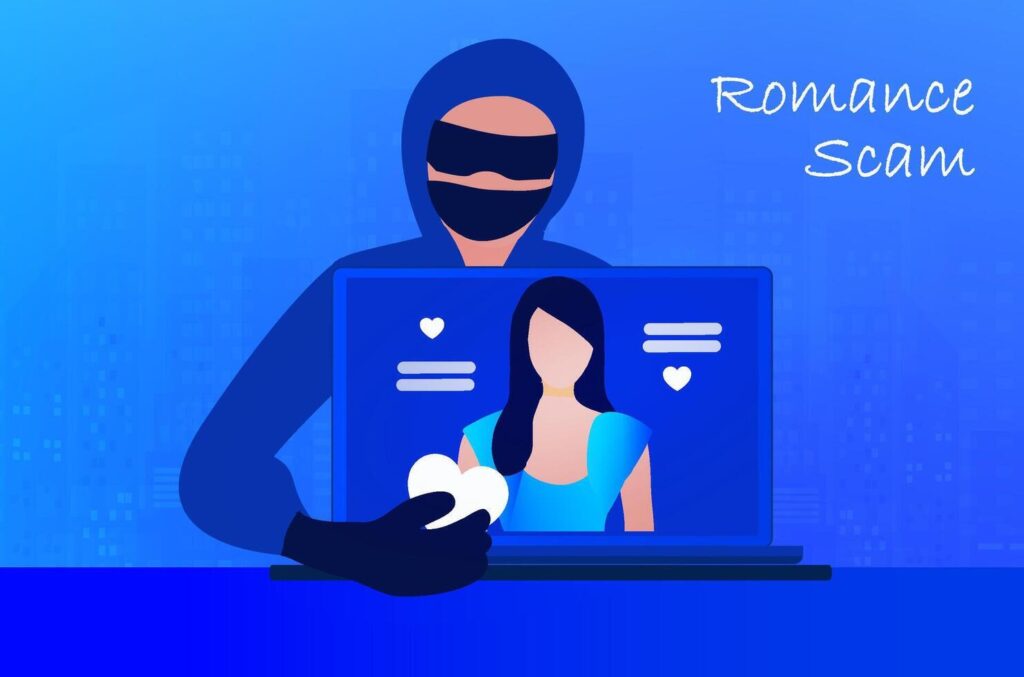
Online dating scams are increasing fast.
Scammers build emotional relationships, then later ask for:
- Emergency money
- Travel funds
- Medical bills
Victims often lose large amounts because of emotional attachment.
How to avoid this scam
- Never send money to online partners
- Be cautious with people who avoid video calls
- Watch for inconsistent stories
- Take time before trusting anyone
How to Protect Yourself from Online Scams
Staying safe online requires constant awareness.
Here are powerful habits that protect you:
- Think before clicking links
- Verify information from official sources
- Use strong, unique passwords
- Enable two-factor authentication
- Keep phone and apps updated
- Avoid sharing personal details publicly
Some scam links also cause network problems. See mobile data on but no internet – how to fix it.
What to Do If You Fall Victim to a Scam
If you realize you have been scammed:
- Contact your bank immediately
- Change passwords on all affected accounts
- Report the scam to the platform used
- Inform your network provider if SIM is involved
Final Thoughts
Online scams in 2026 are more advanced than ever, but they still rely on one thing, human trust. Scammers succeed when people act quickly without verifying information.
By learning common scam methods and following basic safety habits, you can protect yourself from losing money, data, and peace of mind. Awareness is your strongest defense.